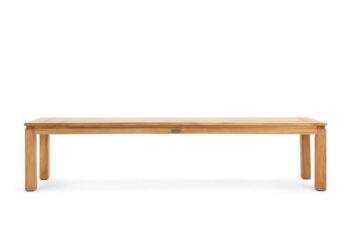

As teak outdoor dining benches become a focal point of outdoor spaces, this introduction invites readers into a realm of expertise, ensuring an enriching and original reading journey.
The following paragraph provides in-depth information about the topic, setting the stage for a comprehensive exploration.
Introducing Teak Outdoor Dining Benches
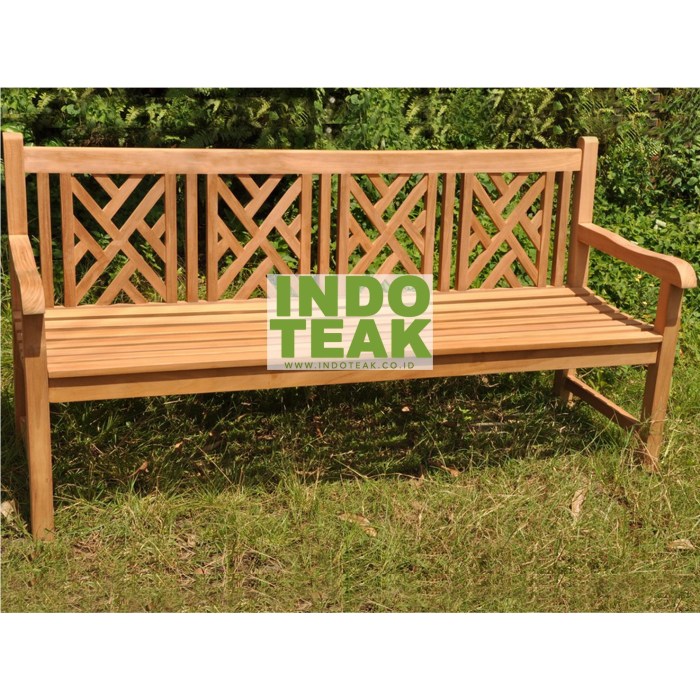
Teak wood is known for its durability, natural resistance to rot and decay, and beautiful golden-brown color. These characteristics make it a popular choice for outdoor furniture, including dining benches. Teak is also low maintenance, requiring minimal care to maintain its appearance and quality over time.
Benefits of Teak Outdoor Dining Benches
- Longevity: Teak wood is incredibly durable and can withstand various weather conditions, making it ideal for outdoor use.
- Low Maintenance: Teak is naturally resistant to moisture, pests, and decay, reducing the need for frequent maintenance or refinishing.
- Timeless Beauty: The rich color and natural grain patterns of teak create a classic and elegant look that enhances any outdoor dining space.
- Eco-Friendly: Teak is a sustainable wood choice as it is harvested from responsibly managed plantations, ensuring the preservation of forests.
Popularity of Teak Furniture in Outdoor Settings
Teak furniture has gained popularity in outdoor settings due to its combination of beauty and durability. Whether in residential gardens, patios, or commercial outdoor dining areas, teak dining benches are a popular choice for their longevity and timeless appeal. The ability of teak wood to age gracefully, developing a silvery patina over time, adds to its charm and makes it a sought-after material for outdoor furniture.
Design and Construction
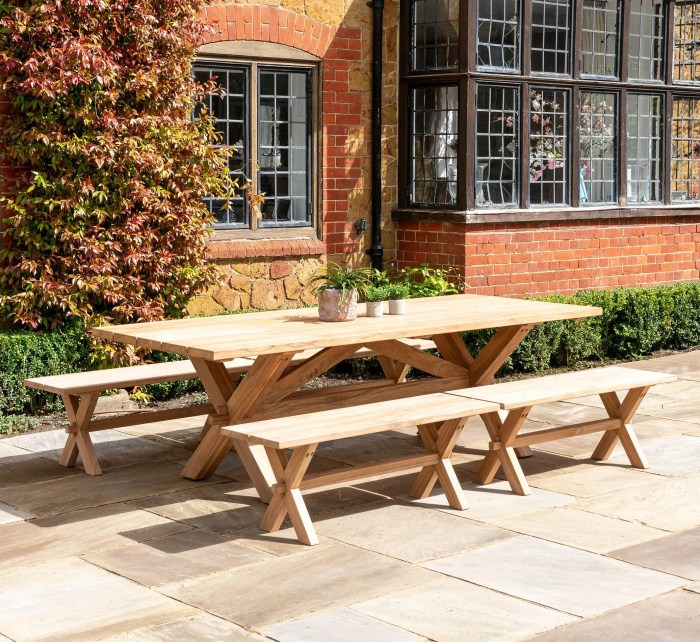
Teak outdoor dining benches are known for their classic and timeless design that adds elegance to any outdoor space. They typically feature sturdy construction, smooth lines, and a natural finish that highlights the beauty of the teak wood.Quality construction is essential for outdoor furniture, especially teak dining benches, as they are exposed to various weather conditions.
Properly constructed benches are made with durable teak wood that is resistant to rot, decay, and insect damage. Additionally, high-quality construction techniques such as mortise and tenon joinery ensure the bench's stability and longevity.
Styles of Teak Outdoor Dining Benches
Teak outdoor dining benches come in various styles to suit different outdoor settings and preferences. Some common styles include:
- Traditional: Featuring a simple design with straight lines and a smooth finish, traditional teak dining benches are versatile and fit well in any outdoor space.
- Modern: With sleek lines, minimalist design, and a contemporary look, modern teak dining benches add a touch of sophistication to outdoor dining areas.
- Rustic: Rustic teak dining benches often have a distressed finish or natural imperfections that give them a unique and charming appeal, perfect for a cozy outdoor setting.
Maintenance and Care
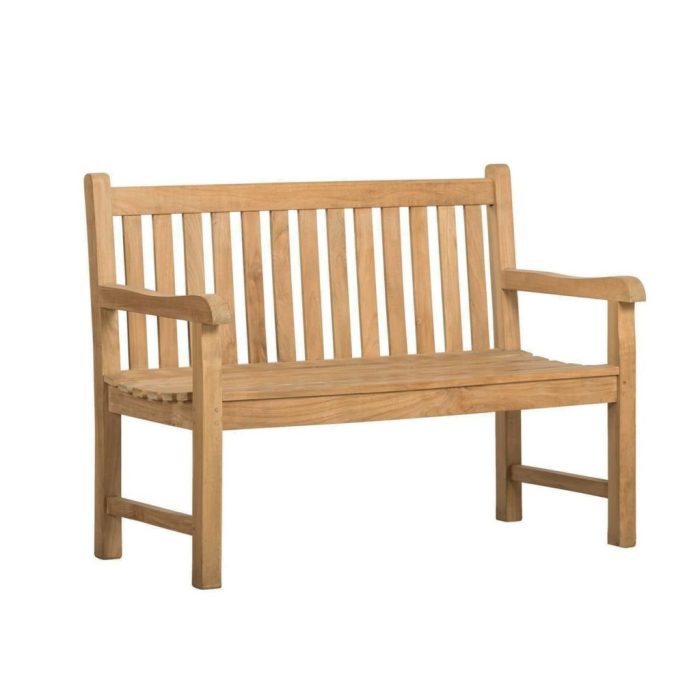
Teak outdoor dining benches are not only durable and beautiful but also require proper maintenance to preserve their natural beauty and longevity. Here are some tips on how to maintain and care for your teak furniture.
Protecting Teak Wood from the Elements
Teak wood is naturally resistant to rot, decay, and insects, making it an excellent choice for outdoor furniture. However, exposure to the elements can still cause the wood to weather and turn gray over time. To protect your teak outdoor dining bench from the elements, consider the following best practices:
- Regular Cleaning: Use a mild soap and water solution to clean your teak furniture periodically. Avoid using harsh chemicals or abrasive cleaners, as they can damage the wood.
- Applying Teak Oil: To maintain the natural color of teak wood, you can apply teak oil or teak sealer to the surface of the furniture. This helps to protect the wood from UV rays and moisture.
- Covering or Storing: If possible, cover your teak outdoor dining bench when not in use or store it indoors during harsh weather conditions. This helps to prevent unnecessary exposure to rain, snow, and direct sunlight.
- Sanding and Refinishing: Over time, teak wood may develop small cracks or rough spots. Sanding the surface of the furniture and applying a fresh coat of teak oil can help restore its original luster.
Cleaning and Preserving Teak Furniture
To clean and preserve the natural beauty of your teak outdoor dining bench, consider the following tips:
- Dust Regularly: Use a soft cloth or brush to remove dust and debris from the surface of the furniture. This helps to prevent dirt buildup and maintain the wood's smooth finish.
- Avoid Harsh Cleaning Methods: Refrain from using high-pressure water hoses or harsh scrubbing tools on your teak furniture, as they can damage the wood fibers and finish.
- Stain Removal: If your teak outdoor dining bench gets stained, you can use a mixture of water and bleach to gently scrub the affected area. Rinse thoroughly with clean water afterward.
- Seasonal Maintenance: Consider giving your teak furniture a thorough cleaning and reapplication of teak oil at the beginning and end of each outdoor season to keep it looking its best.
Environmental Impact and Sustainability
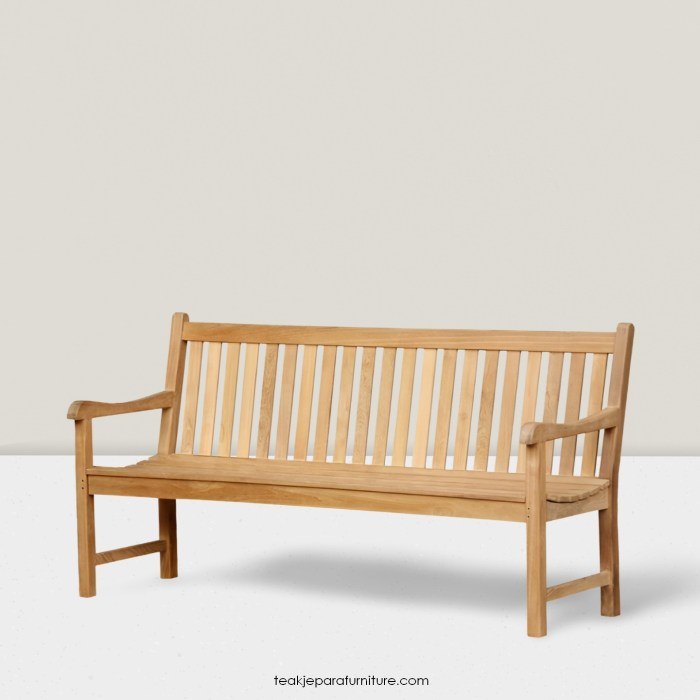
Teak wood is renowned for its sustainability, making it a popular choice for outdoor furniture like dining benches. The cultivation of teak trees is carefully managed to ensure a renewable supply of this valuable wood, leading to minimal impact on the environment.
Sustainability of Teak Wood
Teak wood is highly sustainable due to its slow growth rate and natural durability. Teak trees can take several decades to mature, but once harvested, they can regrow quickly. This sustainable harvesting practice ensures a continuous supply of teak wood without depleting forests.
Environmental Benefits of Teak Outdoor Dining Benches
Choosing teak outdoor dining benches offers numerous environmental benefits. Teak wood is naturally resistant to rot, decay, and pests, reducing the need for chemical treatments that can harm the environment. Additionally, teak furniture can withstand harsh weather conditions, reducing the frequency of replacements and minimizing waste.
Comparison with Other Outdoor Furniture Options
When compared to other outdoor furniture materials like plastic or metal, teak stands out for its eco-friendliness. Plastic furniture contributes to landfill waste and pollution, while metal furniture may require energy-intensive production processes. Teak's sustainability and longevity make it a more environmentally friendly choice for outdoor dining benches.
Summary
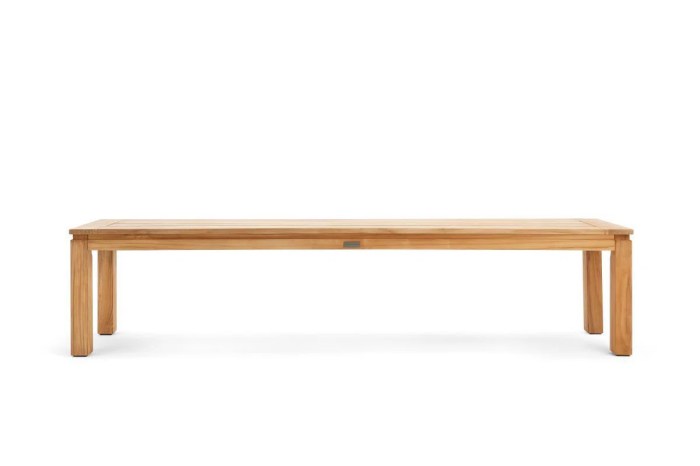
In conclusion, the discussion culminates in a captivating summary that encapsulates the essence of teak outdoor dining benches, leaving readers with a lasting impression of their allure and practicality.
FAQ Explained
What are the characteristics of teak wood?
Teak wood is known for its durability, natural resistance to rot and decay, and beautiful grain patterns.
How should teak outdoor dining benches be maintained?
Regular cleaning with a mild detergent and water, along with periodic oiling, can help preserve the appearance and longevity of teak outdoor dining benches.
Is teak wood environmentally friendly?
Teak wood is considered sustainable due to its natural growth rate and ability to be harvested responsibly. Choosing teak furniture can have positive environmental benefits.