
Exploring the cost implications of using concrete versus pavers, this introduction sets the stage for an in-depth analysis that sheds light on the key differences between these two popular materials.
The following paragraphs will delve into the installation process, durability, maintenance, and design flexibility of concrete and pavers, providing valuable insights for anyone considering these options for their projects.
Cost Analysis
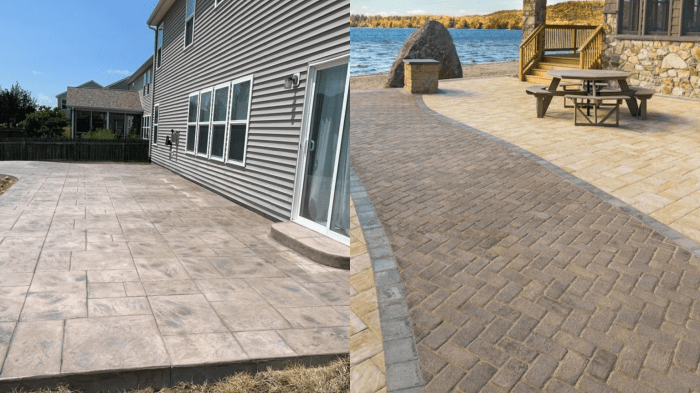
Concrete and pavers are popular choices for outdoor flooring, each with its own set of costs to consider. Let's break down the cost analysis between concrete and pavers to help you make an informed decision.Concrete is generally cheaper to install initially compared to pavers.
The materials for concrete are more affordable, and the installation process is usually quicker and requires less labor. On the other hand, pavers tend to have a higher upfront cost due to the materials being more expensive and the intricate installation process.
Long-Term Cost Implications
When looking at the long-term cost implications, concrete may have a lower maintenance cost compared to pavers. Concrete is durable and requires minimal upkeep, such as occasional sealing or repairs. Pavers, on the other hand, may require more maintenance over time, such as resetting due to shifting or replacing individual pavers that crack or break.
Factors Contributing to Cost Difference
- Material Costs: Concrete is generally cheaper per square foot compared to pavers.
- Installation Costs: The labor and time required for paver installation can drive up the overall cost.
- Maintenance Costs: Pavers may require more maintenance over time, leading to additional costs.
- Longevity: Concrete is known for its durability, potentially reducing the need for frequent replacements.
Installation Process
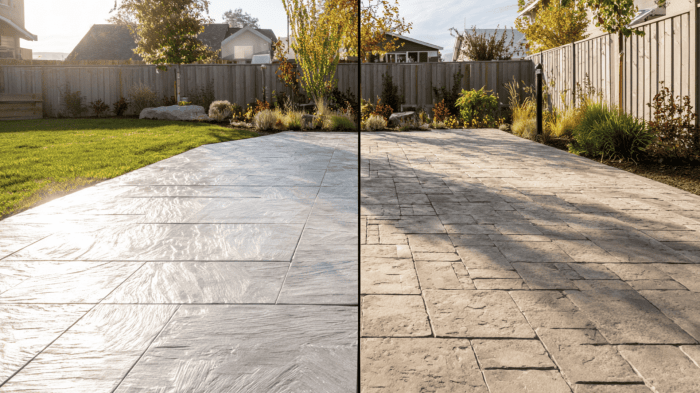
When it comes to the installation process of concrete and pavers, there are distinct differences in how each material is laid down and the steps involved. Let's delve into the key aspects of laying concrete compared to installing pavers.
Concrete Installation
Installing concrete involves several key steps:
- Excavation of the area to create a base for the concrete.
- Formwork setup to contain the concrete during pouring.
- Pouring and leveling the concrete mixture.
- Finishing the surface with trowels or stamps for desired texture.
- Curing the concrete to ensure proper hardening.
Pavers Installation
On the other hand, installing pavers follows a different set of steps:
- Excavation and base preparation similar to concrete installation.
- Laying a bed of sand for the pavers to sit on.
- Placement of pavers in desired pattern or design.
- Cutting pavers as needed to fit edges or corners.
- Filling joints with sand or polymeric sand for stability.
Time and Effort Comparison
When comparing the time and effort required for installing concrete versus pavers, it is generally observed that:
- Concrete installation typically takes less time as it involves pouring and leveling a large surface area.
- Pavers installation may take longer due to the precision required in laying each individual piece and cutting them to fit.
- Effort-wise, concrete installation may require heavy machinery for pouring and leveling, while pavers installation involves more manual labor in placing and adjusting each paver.
Durability and Maintenance
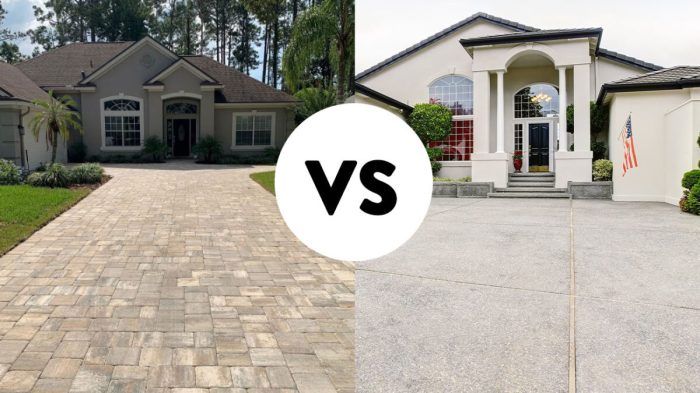
Concrete and pavers are popular choices for outdoor surfaces, each with its own set of durability and maintenance requirements. Let's delve into how they compare in terms of longevity and upkeep.
Durability Comparison
When it comes to durability, concrete is known for its strength and resilience. It can withstand heavy loads and harsh weather conditions, making it a long-lasting option for driveways, walkways, and patios. On the other hand, pavers are also durable but may be prone to shifting over time, especially in areas with extreme temperature fluctuations or heavy traffic.
Maintenance Requirements
Concrete surfaces generally require less maintenance than pavers. Regular cleaning with a pressure washer and occasional sealing are usually enough to keep concrete looking its best. On the contrary, pavers may need more frequent maintenance, including re-leveling, replacing broken pieces, and applying joint sand to prevent weeds from growing between the stones.
Lifespan and Factors Influencing Longevity
In terms of lifespan, both concrete and pavers can last for many years if properly installed and maintained. Factors that can influence the longevity of these surfaces include the quality of materials used, installation techniques, climate conditions, and level of foot or vehicle traffic.
Proper drainage is also crucial to prevent water damage and prolong the lifespan of both concrete and pavers.
Design Flexibility
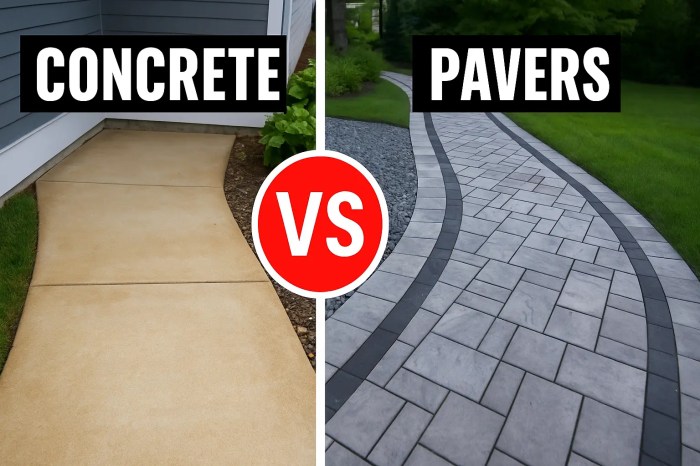
When it comes to design flexibility, both concrete and pavers offer a range of options to suit different styles and preferences. Let's explore the design possibilities with these materials.
Concrete Design Options
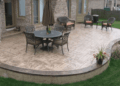
Concrete can be poured and shaped into various forms to create unique patterns and textures. Some popular design options with concrete include:
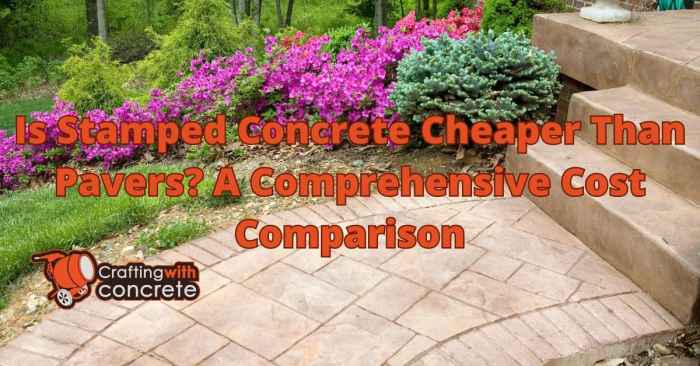
- Stamped Concrete: Mimics the look of natural stone, brick, or wood.
- Exposed Aggregate: Reveals the natural textures of stones and pebbles.
- Colored Concrete: Offers a wide range of hues to complement any style.
- Smooth Finish: Provides a sleek and modern appearance.
Paver Design Possibilities
Pavers come in a variety of shapes, sizes, and colors, allowing for endless design combinations. Some common styles and patterns achieved with pavers are:
- Herringbone Pattern: Classic and visually appealing arrangement.
- Running Bond: Simple yet elegant design with staggered brick layout.
- Basket Weave: Interlocking pattern that adds visual interest.
- Circular Design: Creates a focal point in outdoor spaces.
Customization with Both Materials
Both concrete and pavers can be customized to match specific design requirements. With concrete, patterns can be stamped or textured to achieve a personalized look. Pavers offer the flexibility to mix and match different colors and shapes to create unique designs.
Whether you prefer a traditional aesthetic or a more contemporary style, both materials can be tailored to suit your vision.
Conclusive Thoughts
In conclusion, the debate of concrete versus pavers is a nuanced one, with various factors influencing the decision-making process. By weighing the cost, installation process, durability, maintenance, and design options, individuals can make an informed choice that aligns with their needs and preferences.
Detailed FAQs
Is concrete more expensive than pavers?
While concrete may have a lower initial cost than pavers, factors like maintenance and customization can impact the overall expense.
What is the lifespan of concrete compared to pavers?
Concrete typically has a longer lifespan than pavers, but proper maintenance and installation play a significant role in determining longevity.
Are pavers easier to install than concrete?
Pavers are generally easier to install than concrete due to their individual units that can be laid out in various patterns.