
As you explore the world of patio paver sealing near me, you'll uncover the key to maintaining and beautifying your outdoor living area. From protecting your pavers to enhancing their longevity, this guide will walk you through everything you need to know about this essential maintenance task.
Delve deeper into the nuances of patio paver sealing near me as we discuss different types of sealants, DIY versus professional sealing options, factors to consider when hiring a sealing service, and the cost implications of this process. Let's embark on this journey to transform your patio into a stunning oasis.
Importance of Patio Paver Sealing
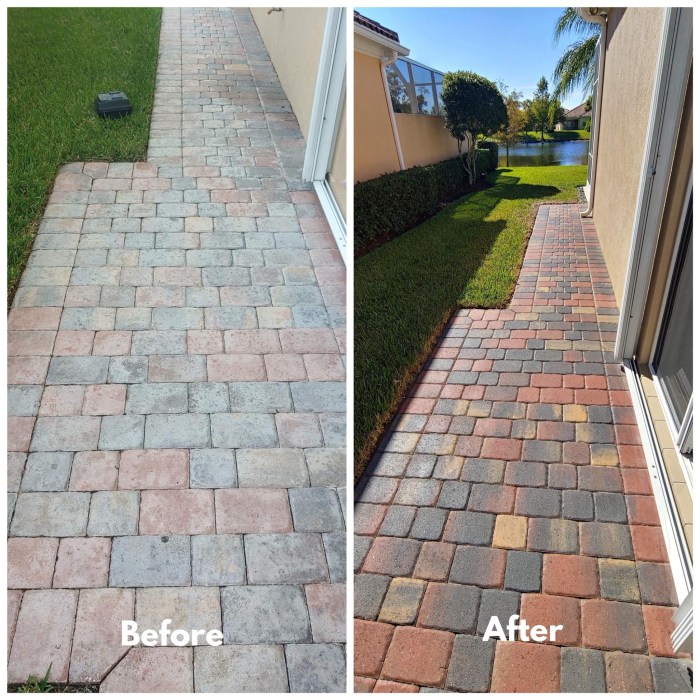
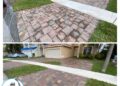
Sealing patio pavers is a crucial step in maintaining the beauty and longevity of your outdoor space. Without proper sealing, patio pavers are vulnerable to damage from various elements, such as weather, foot traffic, and stains.
Benefits of Sealing Patio Pavers
- Enhanced Durability: Sealing helps protect pavers from cracks, chips, and erosion, extending their lifespan.
- Stain Resistance: Sealed pavers are less prone to staining from spills, oil, or other contaminants, making them easier to clean and maintain.
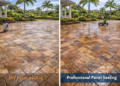
- Color Retention: Sealing preserves the vibrant colors of pavers, preventing fading due to UV exposure and weathering.
- Weed Prevention: Sealed pavers create a barrier that inhibits weed growth between the joints, maintaining a tidy appearance.
Impact of Weather on Unsealed Patio Pavers
Unsealed patio pavers are susceptible to damage caused by harsh weather conditions. For instance, exposure to rain, snow, and freeze-thaw cycles can lead to erosion, efflorescence, and mold growth on unsealed pavers. Without a protective sealant, the structural integrity and aesthetics of the pavers can deteriorate over time.
Types of Sealants
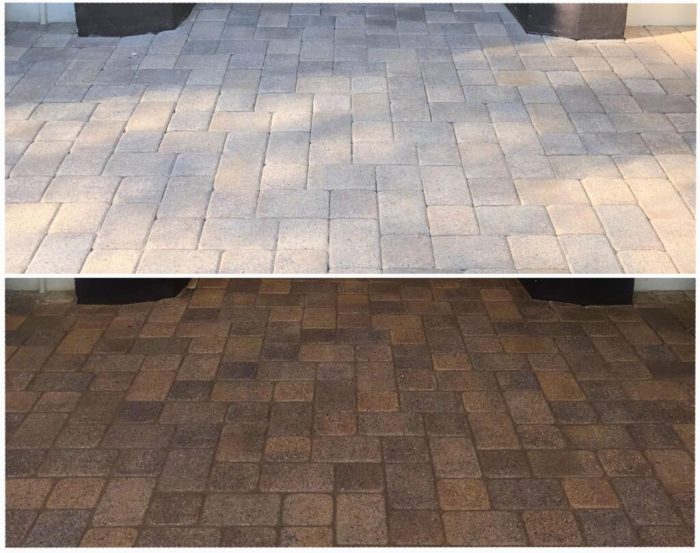
When it comes to sealing patio pavers, there are different types of sealants available in the market. Each type has its own set of pros and cons, so it's important to choose the right one based on your specific needs and the type of pavers you have.
Acrylic Sealants
Acrylic sealants are popular for their durability and ability to enhance the colors of the pavers. They provide a glossy finish and offer good protection against UV rays. However, acrylic sealants may not be the best option for high-traffic areas as they can be prone to scuffing and may require more frequent reapplication.
Silicone Sealants
Silicone sealants are known for their flexibility and ability to repel water effectively. They are resistant to mold and mildew growth, making them a good choice for areas with high moisture exposure. However, silicone sealants may not offer as much protection against UV rays compared to acrylic sealants.
Penetrating Sealants
Penetrating sealants are designed to penetrate the surface of the pavers, creating a protective barrier from within. They provide a natural look to the pavers while still offering protection against water and stains. Penetrating sealants are a great choice for porous pavers like natural stone, but they may require more frequent reapplication compared to other types of sealants.
Best Sealant Recommendations
For high-traffic areas
Consider using an acrylic sealant for its durability and color enhancement properties.
For areas with high moisture exposure
Opt for a silicone sealant for its water-repelling abilities and resistance to mold and mildew.
For porous pavers like natural stone
Choose a penetrating sealant to provide protection from within while maintaining the natural look of the pavers.
DIY vs. Professional Sealing
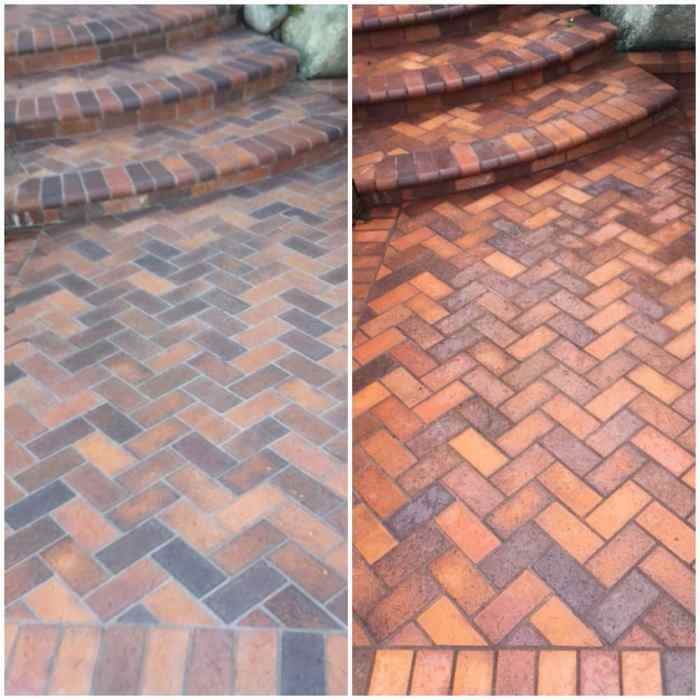
When it comes to sealing patio pavers, homeowners often face the decision of whether to tackle the project themselves or hire professionals. Each option has its advantages and disadvantages, depending on various factors such as time, budget, and expertise. Let's explore the differences between DIY sealing and hiring professionals.
Advantages and Disadvantages of DIY Sealing
- Advantages:
- Cost-effective as you only need to purchase the sealant and tools.
- You have full control over the process and can personalize the finish.
- Allows for flexibility in scheduling and completing the project at your own pace.
- Disadvantages:
- Requires time and effort for preparation, application, and curing.
- Lack of experience may result in improper application or incomplete coverage.
- No guarantee on the longevity or effectiveness of the sealant.
Step-by-Step Guide for DIY Patio Paver Sealing
- Clean the pavers thoroughly to remove dirt, debris, and any existing sealant.
- Allow the pavers to dry completely before applying the sealant.
- Apply the sealant evenly using a roller or sprayer, following the manufacturer's instructions.
- Let the sealant cure for the recommended time before allowing foot traffic or furniture placement.
- Maintain the sealed pavers by regular cleaning and resealing as needed.
When to Hire a Professional for Sealing Patio Pavers
- If you have a large patio area or intricate design that requires precision application.
- When you lack the time or physical ability to complete the sealing process on your own.
- If you want a professional finish and guarantee on the quality and longevity of the sealant.
Factors to Consider When Hiring a Patio Paver Sealing Service
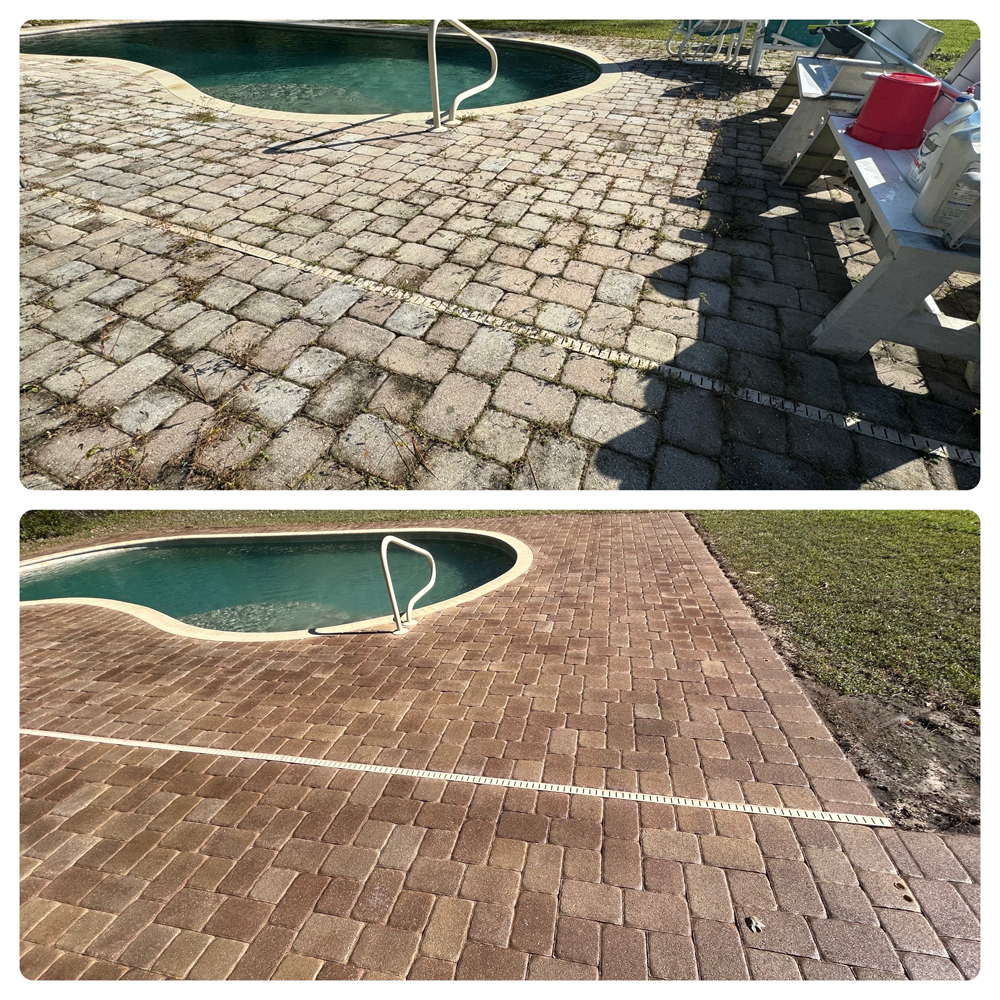
When looking to hire a patio paver sealing service, there are several important factors to consider to ensure you choose the right contractor for the job.
Checking Licenses and Insurance
It is crucial to verify that the sealing service provider holds the necessary licenses and insurance. A licensed contractor is more likely to adhere to industry standards and regulations, providing you with peace of mind. Insurance coverage protects both you and the contractor in case of any accidents or damages during the sealing process.
Evaluating Reputation and Experience
One key factor to consider is the reputation and experience of the sealing service provider. Look for reviews and testimonials from previous customers to gauge the quality of their work. Additionally, inquire about the number of years they have been in business and the projects they have completed.
A reputable and experienced contractor is more likely to deliver high-quality results and customer satisfaction.
Cost of Patio Paver Sealing
When it comes to sealing patio pavers, the cost involved is an important consideration for homeowners. Understanding the average cost, factors affecting pricing, and cost-effective sealing options can help make an informed decision.
Average Cost of Sealing Patio Pavers
The average cost of sealing patio pavers can vary depending on various factors such as the size of the area, type of sealant used, and whether you choose to hire a professional or opt for a DIY approach. On average, homeowners can expect to pay between $1 to $3 per square foot for professional sealing services.
Factors Affecting Cost
Size of the Area
Larger patio areas will naturally incur higher costs for sealing.
Type of Sealant
Different types of sealants come at varying price points, with some premium options costing more.
Professional vs. DIY
Hiring a professional service will come with labor costs, while a DIY approach may save on labor but require investment in tools and materials.
Cost-Effective Sealing Options
For homeowners looking to seal patio pavers on a budget without compromising quality, there are cost-effective options to consider:
DIY Sealing
If you have the time and skills, opting for a DIY sealing approach can help save on labor costs.
Research and Compare
Take the time to research different sealants and service providers to find the best value for your budget.
Regular Maintenance
Investing in regular maintenance and cleaning of your patio pavers can prolong their lifespan, reducing the need for frequent resealing.
Final Summary
In conclusion, patio paver sealing near me offers a myriad of benefits, from preserving the beauty of your outdoor space to ensuring the longevity of your pavers. By understanding the importance of sealing, exploring various sealant options, and making informed decisions about DIY versus professional sealing, you can elevate the aesthetics and durability of your patio.
Take the first step towards a revitalized outdoor area by considering patio paver sealing near me today.
Detailed FAQs
What are the benefits of patio paver sealing?
Patio paver sealing helps protect against stains, weed growth, and color fading, while also enhancing the overall aesthetics of your outdoor space.
Is DIY patio paver sealing cost-effective?
While DIY sealing can save money upfront, hiring professionals ensures a thorough and long-lasting seal that may be more cost-effective in the long run.
How do I choose the best sealant for my patio pavers?
Consider factors like the type of pavers, desired finish, and level of maintenance when selecting a sealant. Consulting with experts can also help in making the right choice.
What factors can affect the cost of patio paver sealing?
The size of the patio, type of sealant used, and additional services like cleaning or repairs can impact the overall cost of sealing patio pavers.
When should I consider hiring a professional for patio paver sealing?
If you have intricate paver patterns, lack the necessary tools and experience, or want a guarantee of quality work, hiring a professional sealing service is advisable.